The surprising strength of choosing vulnerability
This blog shows an Adlerian perspective on Courage and Connection.

The surprising strength of choosing vulnerability
In today’s world, there is immense pressure to appear strong at all times—to hide vulnerabilities, doubts, and fears behind a carefully constructed armor. Society teaches us that weakness is a flaw, that real strength means never showing cracks or asking for help. From an Adlerian viewpoint, this emotional armor is often a protective style—a childhood survival strategy adopted to gain approval or avoid judgment. Yet, the paradox is that this mask isolates us, preventing genuine connection and leaving us feeling alone in a crowded room.
Think for a moment: when have you ever felt truly “seen” by hiding parts of yourself? Often, this pretense creates distance rather than closeness, keeping us trapped in the very loneliness we fear.
The Paradox of Openness
Alfred Adler taught us to look beyond past causes and toward the purpose our behaviors serve today. Choosing vulnerability is a courageous act of goal-directed behavior—one that fosters growth and connection rather than weakness. Sharing our struggles, imperfections, and fears invites others into our authentic experience, paradoxically making us stronger.
Consider leaders like Brené Brown or public figures who have gained admiration through honest storytelling. Their openness builds trust and inspires others to embrace their own truths. This shedding of the facade is not a debilitation but a liberation—a surprising relief as the burden of perfection lifts.
The Superpower of Connection
Vulnerability is a social superpower because it acts as a bridge that fosters empathy, trust, and belonging. Neuroscience confirms that genuine connection triggers the release of oxytocin, reducing stress and enhancing well-being. From an Adlerian lens, social interest—or Gemeinschaftsgefühl—is central to mental health and happiness.
Recall a moment when someone’s openness touched you deeply—how did it change your sense of connection? Vulnerability invites that depth into our relationships, making us feel less alone and more alive.
Actionable Steps to Embrace Vulnerability
Starting small is key. Identify one safe person or setting where you can practice honest sharing without fear of judgment. Distinguish between healthy vulnerability—where you share with intention and self-respect—and oversharing, which can overwhelm both you and others.
Try reflecting on questions like: What parts of myself do I most fear showing? What might I gain by sharing instead of hiding? Slowly expanding your comfort zone cultivates courage and deepens your social interest.
The Transformed Self
Long term, embracing vulnerability transforms us. It builds true resilience—not just endurance but the freedom to be ourselves with all our imperfections. This shift moves us from fear-based survival toward courageous self-acceptance and authentic joy.
Adler reminded us that our tasks are to contribute meaningfully to others and to choose our own paths bravely. Vulnerability is not a sign of weakness but a sign of genuine strength—the power to live fully and connect deeply.
What small step will you take today to embrace your strength through vulnerability?
Related Posts

Mental health without borders: Why expats need more than therapy apps
while therapy apps offer accessibility and convenience, they often fall short in addressing the nuanced emotional realities of expats and migrants.

Political anxiety is real: How global conflict is affecting everyday minds
Political anxiety is no fleeting discomfort—it quietly chip away at our mental well-being, leading to burnout, emotional fatigue, and what many experience as high-functioning depression.
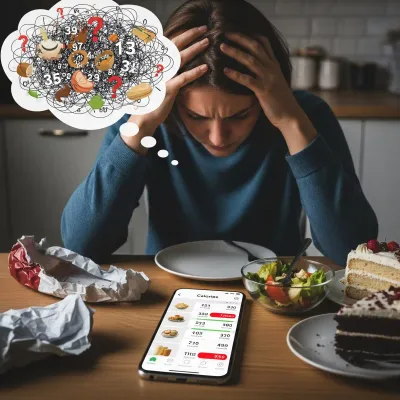
Calorie counting and control: When nutrition becomes a mental struggle
Calorie counting, when rooted in control rather than self-care, can morph into a quiet battle with your own mind. Let’s explore the psychology beneath food tracking, its emotional ripple effects, and how Unburdened You Org offers paths back to a nourishing relationship with food.